




Running a restaurant is demanding, you’re constantly balancing food quality, staffing, and service. Now imagine a reservation system that works for you 24/7 through a chatbot. In this article, we’ll explore how chatbots are reshaping the way diners discover, book, and manage tables.
Introduction
The way we book dinner has changed. Instead of relying on phone calls, restaurants now use booking forms and virtual assistants to guide guests, answer questions, and help them reserve a table more easily.
The Evolution of Restaurant Reservations
Do you remember calling a restaurant, only to hear a busy signal? Traditional booking methods were often frustrating. You had to call during business hours. Or you had to wait for an email reply. Staff members were tied to the phone. These manual systems were slow. They were also prone to errors, like double bookings.
The Rise of AI and Conversational Commerce
Now, AI is a standard part of customer service. People are comfortable talking to automated systems. We use messaging apps like Messenger and WhatsApp daily. It makes sense for businesses to meet customers on these platforms. This shift is driving the growth of conversational commerce.
Understanding Chatbot Restaurant Reservation Systems
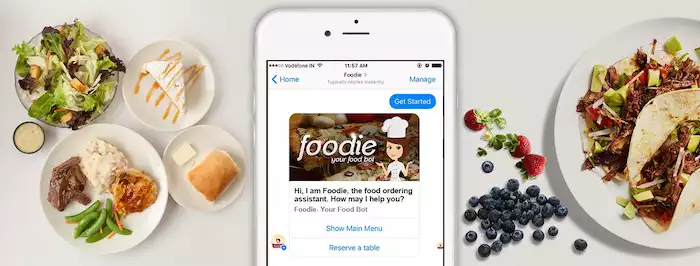
A chatbot is more than just a new tool. It is an active part of your service team.
What is a Chatbot Restaurant Reservation System?
A restaurant chatbot is an automated program. It handles bookings directly within a chat interface. It talks to customers like a real person. This is very different from a static 'contact us' form. A form just collects data. A chatbot has a two-way conversation. It completes the task instantly.
Key Features and Functionalities
The best reservation chatbots operate as a full 24/7 booking channel, not just a request collector. Guests can book anytime (even at 2 AM); the bot checks real-time table inventory and provides instant confirmation, which increases guest confidence.
However, most chatbots in the market today primarily take booking requests and sync them to CRM/Calendar, without real-time availability checking. Changes or cancellations often trigger a staff notification for manual handling. By integrating live inventory/availability data and automating modification/cancellation flows, the chatbot can evolve into a true end-to-end reservation system. Additionally, the bot can send pre-visit reminders to help reduce no-shows.
With Botcake, once you configure the rules inside your booking webform, the system can also check available slots, limit booking windows, and control how many reservations are allowed per time slot. All data syncs back to your CRM, helping restaurants manage capacity and customer information more efficiently.
Types of Chatbots for Reservations
Not all chatbots are the same. Simple ones are rule-based. They follow a strict script, like a phone tree. More advanced bots use AI. These AI bots understand human language. They can handle complex questions. You can use these Botcake on your website and also use them on platforms like WhatsApp or Facebook Messenger.
Benefit of Automated Bookings for Restaurant
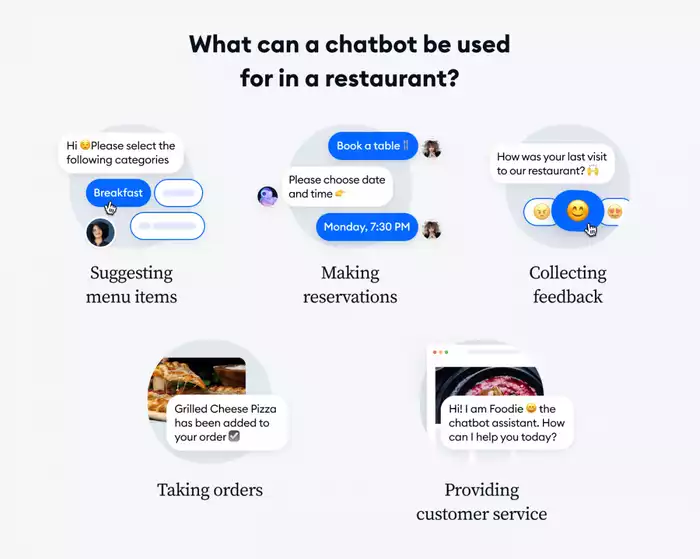
A chatbot reservation system offers huge advantages. It improves operations and the customer experience.
Enhanced Efficiency and Reduced Workload
The most immediate benefit is automation. The chatbot handles the repetitive task of taking reservations. This frees your staff to focus on other guests. They can provide better in-person service. Automation also reduces human error. You will not have to worry about missed bookings or wrong dates.
Improved Customer Experience
Customers love convenience. A chatbot provides instant answers. They do not have to wait on hold. The 24/7 booking ability means you capture their business. A good bot can offer personal recommendations. This removes the frustration of busy phone lines. It also ends long wait times.
Increased Bookings and Revenue
A chatbot is your always-on salesperson. It captures bookings long after your restaurant has closed. The system can send automated reminders to customers. This simple step greatly reduces costly no-shows. You can also program the bot to upsell. It might suggest a special drink for an anniversary. It could also promote a private dining room.
Valuable Data and Insights
Your chatbot collects data with every interaction. This data is a goldmine. You can see your busiest booking times. You learn which dishes people ask about most. This information helps you understand customer preferences. You can use these insights to improve your staffing levels. It also helps you manage your tables better.
Implementing a Chatbot Reservation System: A Step-by-Step Guide
Adding a chatbot might seem hard. You can break it down into simple steps.
Define Your Requirements
First, identify your specific needs. A small, busy cafe has different needs than a fine-dining restaurant. A cafe may want speed. A fine-dining spot may need to handle complex dietary requests. You must also determine your budget. You also need to know what systems the bot needs to connect with.
Choose the Right Platform/Provider
Next, you select your technology. There are many standalone chatbot builders on the market. Some platforms connect directly with major reservation systems. You could also choose custom development for a unique solution. You must weigh the costs against the features you need.
Design the Conversational Flow
This is a very important step. You must map out the user journey. What happens when a user wants a new booking? How do they change an existing one? Your chatbot scripts must be clear and short. You also need to plan for errors. What happens when the bot does not understand the request?
Integrate with Existing Systems
A chatbot should not live on an island. It needs to connect to your other tools. Connecting with your Point of Sale (POS) system is very important. It should also link to your Customer Relationship Management (CRM) platform. Finally, you will embed the bot on your website. You will also link it to your social media profiles.
Test and Refine
Never launch without testing. Start with internal testing. Let your staff try to break it. Then, you can run a pilot test with a small group of loyal customers. Use their feedback to make improvements. A chatbot is never truly 'finished'. It requires regular updates.
Best Practices for Optimizing Your Chatbot Reservations
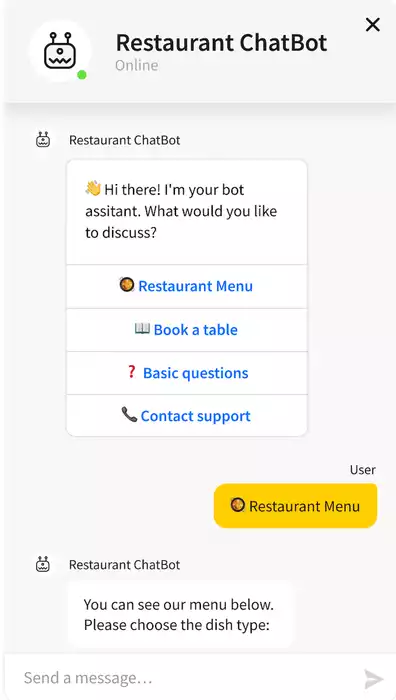
A chatbot is a powerful tool. You can follow these best practices to get the most from it.
User Experience (UX) First
Your chatbot must be easy to use. The conversation should feel natural and simple. Provide clear buttons and guidance. Do not try to be too clever. Maintain a friendly and helpful tone. This tone should match your restaurant's brand.
Seamless Handover to Human Agents
Sometimes, a bot is not enough. A customer may have a very complex request. You must decide when a human needs to step in. The change should be smooth. The bot must pass the conversation history to your staff member. This way, the customer does not have to repeat themselves.
Promote Your Chatbot
People will not use a tool they do not know about. You must promote your chatbot. Add a visible button to your website homepage. Post "Book Now" calls to action on your social media. You can even use signs in your restaurant. These signs tell diners how to book their next visit.
Continuous Monitoring and Improvement
Your work is not done after launch. You must check the chatbot's performance. Check numbers like the reservation completion rate. See what common questions people ask. You need to regularly update your bot. Add new menu items, changed hours, or new policies. A platform like Botcake can make this improvement simple.
In the beauty and wellness industry, this kind of continuous optimization is especially effective. For example, many spas and salons use Botcake chatbots to handle common inquiries such as service menus, treatment durations, pricing, promo availability, and booking changes.
Use Cases and Real-World Examples
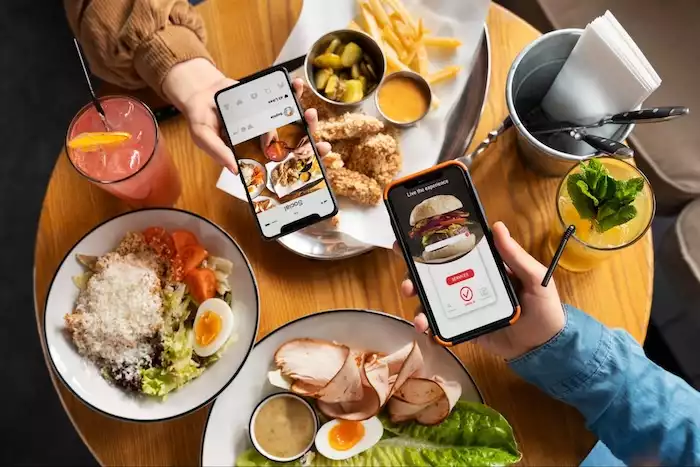
Chatbots are flexible. They adapt to any type of dining environment.
Fine Dining Restaurants
Fine dining is about premium service. A chatbot can start this experience. It manages complex reservations. It also logs special requests. The bot can confirm dress codes or allergy information. This provides a high-end booking experience.
Casual Dining and Cafes
Casual spots and cafes need to manage high volume. A chatbot excels at this. It handles many quick bookings at once. It can also manage a virtual waitlist during peak hours. This gives walk-in customers instant confirmation. It also gives them a clear wait time.
Bars and Nightclubs
Bars and clubs use chatbots to manage VIP sections. The bot can handle table bookings for bottle service. It also answers common questions. This includes questions about cover charges, DJs, or private events. This frees up promoters and hosts.
Multi-Location Chains
Chains need consistency. A chatbot provides one main booking management system. A customer can talk with one bot. They can find the nearest location and book a table. This ensures a consistent brand experience across all branches. Solutions like Botcake are designed to handle this.
Botcake is built for restaurant chains that need a unified reservation system. Guests chat with one bot to find the nearest branch and book a table, ensuring a consistent brand experience everywhere. It’s a no-code platform, so even non-technical teams can set up and tweak flows easily, and it supports about 50 languages.
Botcake also offers ready-made scenarios, booking, reminders, follow-ups, and customer nurturing, so chains can launch fast and keep improving. All reservation and customer data syncs to CRM, and conversion signals can be sent to Meta Ads to optimize campaigns and retarget high-intent guests.
Challenges and Considerations
A chatbot is not a magic solution. You must plan for some common challenges.
Initial Setup and Integration Complexity
The initial setup requires time and resources. You must ensure the chatbot works with your existing software. This connecting step can be complex. It is important to choose a provider that offers good support.
Maintaining a Human Touch
Hospitality is about people. You must balance automation with personalized service. The bot is a tool. It is not a replacement for your staff. You must train your team. They need to handle handovers from the chatbot well.
Data Privacy and Security
Your chatbot will collect customer information. This includes names, phone numbers, and preferences. You have a legal and ethical duty to protect this data. You must follow privacy rules.
Ongoing Maintenance and Updates
A chatbot is like a garden. It needs regular care. You must keep it accurate. If your menu changes, the bot needs to know. If your holiday hours are different, you must update the bot. This ongoing maintenance is needed for it to keep working well.
Conclusion
Chatbots are no longer a futuristic idea. They are a practical tool for modern restaurants. They help you operate more efficiently. They improve the guest experience. And they directly help you fill more tables.
The future of dining is conversational. Customers want to interact with your restaurant on their terms. A chatbot reservation system is the first step. If you are ready to automate your bookings, a platform like Botcake can help you get started.